
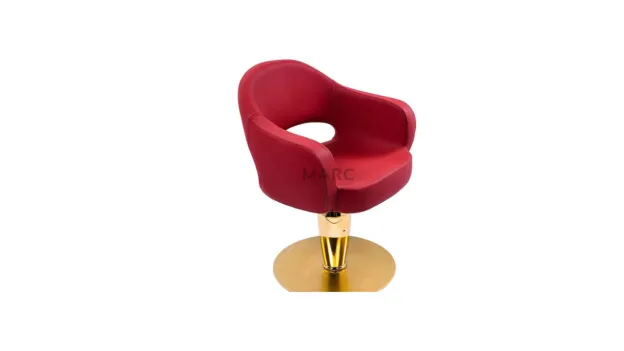
Setting up a professional beauty parlour requires careful furniture selection to ensure customer comfort, staff efficiency, and an attractive treatment environment. Spa beds are particularly important because they support clients during beauty and wellness procedures. Their construction, cushioning, dimensions, and adjustable features should match the services offered.
A thoughtful approach to beauty parlour furniture design helps business owners create organised and functional treatment spaces. Before purchasing, consider the bed’s material quality, maintenance requirements, available room space, and long-term durability to make a practical investment that supports daily business operations.
Evaluate Construction and Material Quality
Spa beds are used repeatedly in professional environments, making construction quality an important consideration. A sturdy frame, dependable joints, and durable supporting components contribute to the furniture’s ability to withstand regular use.
Inspect the materials used in the frame and assess whether the overall construction feels stable. The bed should remain secure during normal adjustments and treatment procedures. Weak structures or poorly fitted components can create operational difficulties and increase maintenance requirements.
Upholstery is equally important. Choose surfaces that are comfortable, practical to clean, and suitable for the treatments performed. Beauty businesses should consider how frequently the furniture will require cleaning and whether the selected material can withstand routine maintenance.
Consider Adjustability and Functional Features
Different treatments require different working positions. Therefore, adjustable spa beds can offer practical advantages when their features match the establishment’s service requirements.
Evaluate whether the backrest, leg section, or overall height can be adjusted conveniently. Height adjustment can help professionals maintain more suitable working positions, while reclining sections can support different treatment arrangements.
Also examine the adjustment mechanism. It should operate smoothly and allow staff to position the bed without unnecessary effort. Depending on the model, adjustment systems may be manual or electrically operated. Compare their functionality, maintenance requirements, and suitability for the available workspace before purchasing.
Measure the Available Treatment Space
A spa bed should fit comfortably within the treatment room without restricting movement. Before selecting a model, measure the available floor area and consider the space required around the furniture.
Professionals need sufficient room to approach clients, position equipment, organise accessories, and perform treatments efficiently. A bed that occupies too much space can make the room difficult to navigate, while an undersized option might not meet the intended treatment requirements.
Consider doorways, storage arrangements, electrical connections where necessary, and the positioning of other furniture. Planning the layout before purchasing helps businesses avoid installation difficulties and supports better utilisation of available space.
Match the Bed Design with Interior Aesthetics
The appearance of spa beds contributes to the overall impression of a beauty establishment. Furniture should complement the interior theme, colour palette, lighting, and other furnishings within the treatment area.
Businesses can explore different shapes, finishes, upholstery options, and design styles when comparing available models. A coordinated appearance creates visual consistency and helps establish a professional atmosphere.
However, aesthetics should not replace functionality. A visually attractive bed must also provide suitable support, practical features, and dependable construction. When evaluating salon and beauty furniture, business owners should consider how individual pieces work together to create an organised and cohesive environment.
Examine Hygiene and Maintenance Requirements
Maintaining clean treatment furniture is essential for professional beauty establishments. Spa beds should have surfaces that allow convenient cleaning between appointments and support the business’s hygiene procedures.
Check the upholstery material for cleaning compatibility and review the manufacturer’s maintenance recommendations. Avoid selecting materials that require complicated care if the establishment expects frequent daily use.
Seams, joints, adjustment points, and other construction details should also be considered because these areas can require additional attention during routine cleaning. A practical design can help staff maintain treatment spaces more efficiently.
Regular inspection is equally important. Checking upholstery, fasteners, adjustment mechanisms, and supporting structures can help identify wear before it develops into a larger maintenance issue.
Assess Durability and Long-Term Business Value
The purchase price should not be the only factor influencing a spa bed selection. Business owners should evaluate the expected service life, construction quality, maintenance needs, and available product support.
A lower-priced option might appear economical initially, but frequent repairs or premature replacement can increase overall expenditure. Similarly, expensive features are not necessarily beneficial if they do not support the treatments performed.
Review product specifications, warranty information, maintenance guidance, and supplier assistance before finalising an order. Businesses comparing options from designer chair manufacturers should also examine their broader furniture collections, manufacturing capabilities, and customisation provisions.
Review Customisation and Product Options
Every beauty establishment has different operational and interior requirements. Customisation can help businesses select furniture that better matches their planned treatment areas and design preferences.
Depending on the available product specifications, relevant considerations may include upholstery choices, finishes, colours, dimensions, and functional features. However, buyers should confirm which options are actually available for their selected models rather than assuming that every product offers identical modifications.
Discussing requirements with the supplier before ordering can clarify available configurations, pricing, production timelines, and delivery arrangements. This approach supports better purchasing decisions and reduces the possibility of mismatched expectations.
Conclusion
Selecting a suitable spa bed requires balancing comfort, functionality, durability, design, and cost. Businesses should assess treatment requirements, construction quality, cushioning, dimensions, upholstery, and maintenance needs before purchasing. A thoughtful approach to beauty parlour furniture design helps create professional treatment spaces, supports staff efficiency, improves client comfort, and ensures furniture investments align with long-term operational goals.
For businesses planning professional treatment spaces, choosing a reliable furniture partner is equally important. MARC Salon Furniture supports beauty and wellness businesses with manufacturing, product selection, and delivery of professional furniture across India. Its collections include spa beds, facial beds, electric beds, multipurpose wooden beds, and Ayurveda beds, alongside salon chairs, shampoo stations, and pedicure and manicure furniture. Selected products offer customisation options. Businesses can discuss specifications, finishes, colours, and dimensions before confirming orders.
