
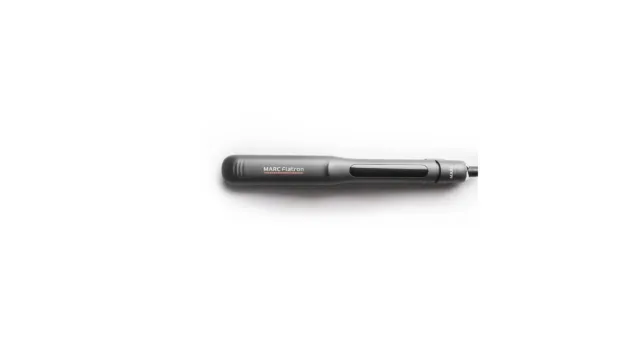
A smooth hairstyle can make getting ready easier. The finish depends on more than heat: a straightener should suit your hair length, feel comfortable, and offer settings you can control.
When comparing the best hair straightener for men, look beyond appearance. Plate quality, temperature options, and safety matter. A careful choice makes styling manageable while limiting unnecessary heat exposure. The right choice also depends on your habits, preferred finish, and how much control you want while styling at home.
Finding the Right Straightener for Your Everyday Style
Choose a straightener to suit your length, texture, routine, and preferred finish.
Match the Appliance to Your Hair Length
Hair length affects plate control. Compact designs may suit shorter styles, while longer hair may need broader coverage.
● Short hairstyles: Choose a manageable width for control around shorter sections.
● Medium-length hair: Look for plates that smooth sections without slowing styling.
● Longer hair: Make sure the plates handle suitable sections with consistent contact.
● Frequent touch-ups: Prioritize comfortable handling and accessible controls.
The right size improves control around the sides and hairline for daily use. The appliance should also feel practical during use. Check its weight, button placement, cord length, and whether the plates open and close smoothly.
Essential Features for Comfortable and Controlled Styling
Compare plate construction, adjustable heat, cord movement, and automatic shut-off.
Review Plate Design and Temperature Settings
Since plates touch your hair, check their material, coating, and care instructions. Adjustable controls help match heat to hair condition. Higher heat is not automatically better; start low and use heat protectant.
● Plate coating: Check the stated material and finish.
● Consistent contact: Look for plates designed to close evenly.
● Temperature range: Compare the minimum and maximum settings.
● Readable display: Check whether the temperature is easy to see.
Clear controls make it easier to monitor heat. Also consider how quickly the appliance heats up and whether its controls are straightforward. Clearly marked controls help you avoid accidental changes while styling.
Consider Handling, Cord Movement, and Safety
A balanced body, accessible controls, and a swivel cord improve handling. Safety features help if you get distracted.
● Comfortable grip: Choose a shape that feels secure in your hand.
● Swivel cord: Check that it moves freely as you change angles.
● Automatic shut-off: Review whether the model switches off after inactivity.
● Locking feature: A plate lock can simplify storage after cooling.
Check the warranty and care instructions before buying. Before buying, consider whether you’ll use the appliance occasionally or several times a week. Frequent use makes comfort, durable construction, and easy maintenance important. Occasional users may prefer simple controls over extra settings they are unlikely to need. Compare the specifications with your routine, rather than choosing a model only because it has the longest feature list.
Plate Design and Heat Settings for Different Hair Types
Thicker hair may need better plate coverage and flexible heat settings. Smaller sections can reduce repeated passes.
Assess Plate Width and Section Size
Divide dense hair into manageable sections. Large bundles may not sit evenly between plates, so use clips and work through layers steadily.
● Section carefully: Divide hair into layers for even plate contact.
● Compare plate width: Choose dimensions suited to your length and control.
● Avoid overloading: Don’t clamp more hair than the plates can handle.
● Work methodically: Style sections in order to avoid missing areas.
A suitable plate size balances coverage and control.
Choose Heat Thoughtfully for Thicker Textures
Coarse hair may respond differently from fine hair, but maximum heat should not be the starting point. Begin moderately. Excessive heat can damage any hair type, especially if it is treated, dry, or brittle.
● Start moderately: Avoid maximum heat without assessing your hair.
● Prepare properly: Detangle and dry hair as directed.
● Use smaller sections: Let plates work evenly instead of clamping thick bundles.
● Limit repetition: Avoid multiple passes over the same strands.
Careful technique is safer than simply increasing heat. A straightener should make styling more convenient, not encourage you to keep applying heat to achieve one exact look.
Creating a Practical Hair Care and Styling Routine
For thick hair, choosing the best hair straightener for thick hair involves considering adjustable temperature settings, plate design, and consistent heat distribution. Before styling, detangle your hair, make sure it’s completely dry, and apply heat protectant as directed. Divide thick hair into smaller sections and move the straightener smoothly without repeatedly passing over the same area. After use, unplug the appliance, allow it to cool, and clean and store it according to the manufacturer’s instructions. Balance heat styling with regular conditioning and heat-free days.
Creating Safer Habits for Everyday Heat Styling at Home
Creating safer habits for everyday heat styling at home begins with proper preparation and careful appliance handling. Start by detangling your hair with a suitable comb or brush to remove knots and make styling easier. Apply heat protectant as directed before using any heated appliance. Divide your hair into manageable sections and move the straightener smoothly from roots towards the ends. Avoid making repeated passes over the same section, as excessive heat can contribute to dryness and damage. Always keep the appliance away from water, children, and flammable materials while it is switched on. After styling, unplug the device and allow it to cool completely before cleaning or storing it. Clean the plates only as recommended in the manufacturer’s instructions. Check the cord, plug, and plates regularly for visible damage.
Conclusion
Consider how often you style, how much time you have, and whether another product would help create your preferred finish. The best hair styling tools suit your habits rather than simply offering many features. A hair dryer can prepare hair, while a brush or comb helps with sectioning and finishing. Keep your routine simple, clean appliances as directed, and store them safely once they’ve cooled.
A quality straightener should offer control, comfort, and features suited to your hair. Compare plate material, temperature settings, width, safety features, and warranty before choosing. Heat protection and careful technique can help create a smooth finish while limiting unnecessary stress on your hair. For shoppers looking for practical styling options, MARC Hair Tools offers straighteners with features such as temperature displays, coated plates, swivel cords, and automatic shut-off on selected models. Their product range and customer support can help you compare options based on your hair texture, preferred finish, and at-home grooming routine.
