
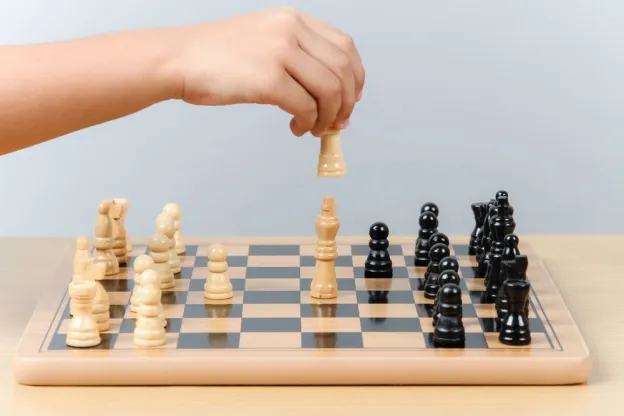
Chess is a game of strategy, patience, and continuous learning. Every match presents new challenges, whether a player is trying to control the centre, protect the king, or create an opportunity for a decisive attack. While regular practice is important, playing games alone does not always lead to consistent improvement. Players also need to understand their mistakes, learn effective strategies, and develop the ability to evaluate different positions.
This is where structured instruction can make a difference. Chess online courses offer learners an organised way to explore chess concepts, practise essential techniques, and strengthen their decision-making skills. Instead of relying entirely on trial and error, players can follow a learning path that gradually develops their understanding of the game.
For learners who want guidance beyond basic tutorials, best online chess coaching can combine expert instruction with practical exercises and game analysis. This approach helps players understand not just which moves to make, but why those moves work.
Learn at a Pace That Suits Your Progress
Every chess player develops differently. Beginners may need help understanding opening principles and basic tactics, while intermediate players might want to improve positional awareness or learn more effective endgame techniques.
Online learning can accommodate these different requirements by allowing players to revisit lessons and practise concepts at a comfortable pace. A learner who finds a particular topic challenging can spend additional time reviewing it before moving forward.
This flexibility is particularly useful for students balancing chess with school, work, or other activities. They can plan study sessions around their schedules and maintain a consistent learning routine without travelling to a classroom.
The most useful learning experience is one that challenges players without overwhelming them. Gradual progress helps learners build confidence while developing skills they can apply during actual games.
Understand the Ideas Behind Every Move
Memorising chess moves may help in familiar positions, but it does not prepare players for every situation. Strong chess depends on understanding the principles behind decisions.
For example, developing a knight towards the centre is generally useful because central squares offer greater influence. However, the best move in a particular position may depend on the opponent’s threats, available exchanges, and the overall pawn structure.
Quality instruction explains these ideas through examples and practical positions. Learners can compare different possibilities and understand why one move creates better opportunities than another.
The best online chess coaching should encourage players to explain their thinking rather than simply copy recommended moves. This develops independent judgement and prepares them to handle unfamiliar positions with greater confidence.
Strengthen Tactical Skills Through Regular Practice
Tactics are an essential part of chess improvement. A well-timed combination can win material, create an attack, or turn a difficult position into a favourable one.
Players should become familiar with common tactical patterns, including:
● Forks: One piece attacks two or more opposing pieces simultaneously.
● Pins: A piece cannot move without exposing a more valuable piece behind it.
● Skewers: An important piece is attacked and forced to move, exposing another target.
● Discovered attacks: Moving one piece reveals an attack from another.
● Deflections: An opponent’s defending piece is distracted from an important responsibility.
Solving puzzles regularly helps players recognise these patterns more quickly. However, it is equally important to calculate the opponent’s possible responses before playing a combination.
Well-structured chess online courses can make tactical practice part of a wider learning plan, helping players connect individual patterns with real-game situations.
Improve Your Opening and Endgame Knowledge
Opening preparation helps players establish a comfortable position during the early stages of a game. Rather than memorising long sequences, learners should understand fundamental ideas such as controlling the centre, developing pieces, and securing king safety.
As players become more experienced, they can explore opening systems that suit their preferred style. Some may enjoy open positions with tactical opportunities, while others may prefer quieter structures that reward careful planning.
Endgame knowledge is just as important. Players must understand how to activate their king, create passed pawns, and convert material advantages. They should also learn defensive techniques that help them save difficult positions.
A balanced learning programme gives attention to all stages of the game. This prevents players from becoming strong in one area while remaining uncertain in another.
Make Game Analysis a Regular Habit
Reviewing completed games is one of the most practical ways to identify weaknesses. A player may win a match despite making several inaccurate moves, just as a loss may contain many strong decisions.
Instead of focusing only on the result, learners should examine important turning points. They can ask themselves:
● Did I recognise my opponent’s threats?
● Was my development completed efficiently?
● Did I choose a clear plan in the middlegame?
● Were there better tactical opportunities?
● Did I understand the endgame position correctly?
These questions encourage honest reflection. Over time, players may notice repeated habits, such as moving too quickly, overlooking defensive moves, or exchanging pieces without considering the resulting position.
The best online chess coaching can make this process more effective through guided feedback and explanations. Understanding the reason behind a mistake is more valuable than simply being told that a move was incorrect.
Develop Better Concentration and Decision-Making
Chess requires players to remain focused throughout a match. A single careless move can undo several turns of careful preparation, especially when the opponent recognises an opportunity.
Training can help learners develop a more disciplined thought process. Before making a move, they should consider their opponent’s last action, identify immediate threats, examine candidate moves, and evaluate the likely consequences.
This routine reduces impulsive decisions and encourages more consistent play. It also helps players manage time more effectively, as they learn when a position requires deeper calculation and when a straightforward move is sufficient.
These habits can be useful beyond chess. Planning ahead, evaluating alternatives, and remaining composed under pressure are valuable skills in many everyday situations.
Build a Consistent and Practical Learning Routine
Progress becomes easier to measure when practice has a clear structure. Players should combine lessons with exercises and regular games rather than concentrating on theory alone.
A weekly routine might include tactical puzzles, opening revision, endgame exercises, and the analysis of recent matches. Even shorter sessions can be productive when learners remain focused on a specific objective.
It is also helpful to set realistic goals. Rather than expecting an immediate rating increase, players can aim to reduce blunders, improve calculation accuracy, or understand a particular opening variation.
The best chess coaching connects these goals with practical training. Learners can apply new ideas, evaluate their results, and adjust their study routine as their skills develop.
Choose Guidance That Encourages Long-Term Growth
Selecting a suitable learning programme involves more than finding convenient lesson timings. Players should look for clear teaching methods, organised topics, meaningful practice opportunities, and explanations that match their current ability.
Good instruction should make complex ideas easier to understand while encouraging learners to think independently. It should also recognise that improvement takes time and that different players may need different forms of support.
With the right learning environment, chess becomes a rewarding process of discovery. Every position offers a chance to practise, every game provides feedback, and every lesson can introduce a new way to approach the board.
Conclusion
Becoming a stronger chess player requires more than playing frequently. It involves understanding strategy, recognising tactical patterns, analysing mistakes, and applying knowledge consistently. Structured online learning can make these goals more achievable by providing a clear path for development. Chessbrainz supports learners who want to strengthen their understanding of the game and build lasting skills through guided chess education.
