
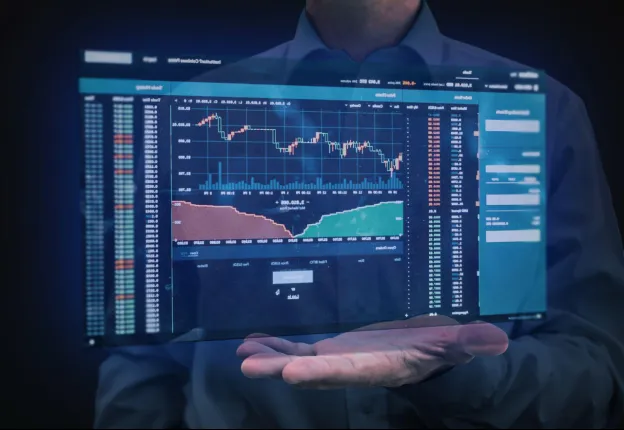
Entering the financial markets can feel like setting off on a new journey. You may know where you want to go, but choosing the right route can make the experience smoother, more manageable, and easier to navigate. The same principle applies to trading. Finding the best online brokerage is not simply about selecting the first platform that appears in a search. It requires a closer look at costs, regulations, technology, account conditions, and the level of support available. For traders in the UAE, comparing brokers before opening an account can help create a more informed starting point.
Here are ten important factors to consider before committing funds.
1. Start With Regulation
Regulation should be one of the first things checked when comparing brokers. A regulated financial service provider is expected to operate according to rules covering areas such as transparency, client funds, reporting, and business conduct.
However, do not stop at a broker’s claim of being regulated. Find out which authority supervises the relevant entity and whether that regulatory framework applies to the services you intend to use. Taking a few minutes to verify licensing information can provide useful context before moving further into the comparison.
2. Understand the Full Trading Cost
Low spreads can sound attractive, but they are only one part of the overall cost. Depending on the broker and account type, traders may encounter spreads, commissions, overnight charges, currency conversion costs, deposit fees, or withdrawal charges. Think about how you plan to trade.
Someone opening and closing positions frequently may pay close attention to spreads and commissions, while a longer-term trader may need to examine overnight charges more carefully. Instead of comparing one advertised number, look at the complete pricing structure.
3. Compare Account Types
A broker may offer several accounts designed around different trading preferences. The important question is not which account sounds most premium, but which one matches your circumstances.
Check details such as:
● Minimum deposit.
● Spread type.
● Commission structure.
● Minimum trade size.
● Leverage.
● Swap conditions.
● Available instruments.
● Account eligibility.
Beginners often need simplicity, while experienced traders may prioritise pricing and execution. Reviewing account terms beforehand helps avoid unexpected conditions later.
4. Examine the Trading Platform
The platform is where most of your trading activity will take place, so usability matters. A sophisticated platform is not necessarily the best choice if its interface is difficult to navigate. Look at charting tools, technical indicators, order types, market information, mobile compatibility, and execution functionality.
Traders who rely on automated strategies should also check whether the platform supports the tools they require. It is worth spending time exploring the platform before making a financial commitment. Familiarity can become particularly valuable when markets move quickly.
5. Check Which Markets Are Available
Your trading interests may change over time. Someone beginning with currency pairs may later become interested in indices, commodities, metals, energies, or shares. For that reason, compare the range of instruments available through each broker.
Consider whether the markets you currently follow are supported and whether the platform gives you enough flexibility to explore other opportunities later. A wider selection can be useful, but more instruments should not be confused with lower risk. Greater choice simply gives traders more possibilities to evaluate.
6. Look Into Execution Conditions
Trading decisions can sometimes depend on timing, particularly during periods of high market volatility. Execution conditions therefore deserve attention when comparing brokers. Look for information about execution methods, liquidity, order processing, and potential slippage.
Traders should understand that market prices can change between order placement and execution. It is also important to remember that good execution does not eliminate market risk. It is simply one component of a broader trading environment.
7. Review Deposits and Withdrawals
Moving money into and out of a trading account should be straightforward. Before depositing funds, check the available payment methods, processing periods, transaction limits, and applicable charges. Withdrawal procedures deserve particular attention.
Read the terms carefully and make sure you understand any verification requirements or restrictions that could affect the process. A transparent funding system makes it easier to manage your trading account and plan your finances without unnecessary uncertainty.
8. Use a Demo Account First
A demo account can provide a practical testing ground before real funds are involved. It gives traders an opportunity to explore the platform, practise placing orders, study charts, and understand account features. For beginners, this can be especially useful. It allows them to become familiar with the mechanics of trading without immediately exposing capital to market fluctuations.
Experienced traders can also use demo environments to test unfamiliar platforms or strategies. However, remember that simulated trading does not perfectly reproduce the psychological pressure associated with real-money decisions.
9. Assess Customer Support
A trading platform may be digital, but reliable human support can still matter. Questions about account verification, deposits, withdrawals, technical problems, or trading conditions may require assistance. Compare the available support channels and operating hours.
Consider whether assistance is available through live chat, email, telephone, or other methods. Response speed is useful, but the quality of the response matters just as much. Clear explanations can save time when an issue needs to be resolved quickly.
10. Pay Close Attention to Leverage and Risk
Leverage can increase market exposure, but it can also amplify losses. This makes it one of the most important features to understand before trading. Do not select a broker simply because it offers higher leverage. Instead, consider how much risk you can realistically manage and whether the available conditions suit your trading plan.
Risk management should remain central to the decision. Traders can consider position sizing, stop-loss orders, diversification, and maintaining sufficient account funds as part of a broader risk-control approach.
Build a Broker Comparison Before Deciding
After reviewing these factors, compare brokers side by side across regulation, fees, account requirements, platforms, instruments, execution, funding, demo access, support, and leverage. This makes it easier to see the overall value rather than focusing on one attractive feature. For instance, low spreads may not matter if the platform does not match your trading style.
Likewise, having numerous instruments may be unnecessary for focused traders. When selecting the best online brokerage, consider your experience, trading frequency, preferred markets, budget, and risk tolerance. Those researching the best online brokers UAE should also verify regulatory details and understand all terms before committing funds.
Conclusion
Selecting a broker is an important step before beginning a trading journey. Comparing regulation, pricing, account structures, platforms, instruments, execution, funding options, demo facilities, customer support, and leverage helps traders make informed decisions. Those researching the best online brokers UAE should focus on individual trading objectives, risk tolerance, and suitable conditions rather than advertising alone. VPFX provides multiple account options, MetaTrader 5 access, diverse financial instruments, and trading resources, giving users several tools to explore markets while considering their individual objectives and risk preferences.
