

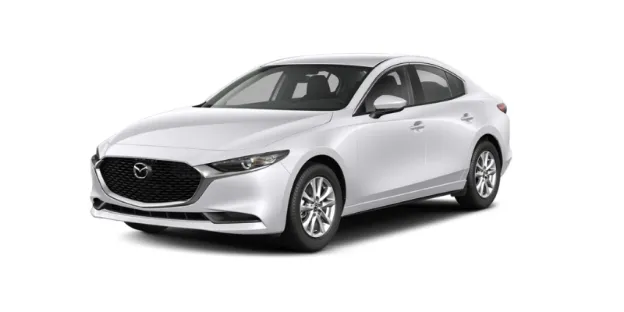
Imagine landing in Dubai with several bags, a full itinerary, and plans that extend beyond the city centre. You need a vehicle that can handle everyday traffic, comfortable motorway journeys, shopping stops, and changing travel requirements without feeling cramped. This is where an SUV can become a practical option. Before choosing to rent a car in Dubai, however, it is worth assessing what an SUV actually offers and whether its advantages match your plans.
More Space For Everyday Travel
One of the clearest advantages of an SUV is the additional space it can provide. The larger cabin can make a difference when travelling with family, friends, or colleagues, particularly when everyone has luggage or personal belongings.
The extra boot capacity can also be useful during shopping trips or airport transfers. Instead of carefully arranging every bag around limited storage space, passengers may have more room to organise their belongings.
For longer rental periods, this added space can contribute to everyday convenience. A vehicle that feels comfortable on the first day is more likely to remain practical when used regularly for several weeks.
Better Comfort For Longer Drives
Dubai journeys are not always short. A trip across the city can take time, while travelling between emirates can involve longer stretches on major roads. An SUV can offer a spacious seating position that some drivers and passengers may find more comfortable during extended journeys.
Higher seating can provide a broader view of the surrounding traffic, while generous legroom can make longer drives easier for passengers. Features such as adjustable seats, climate control, rear air conditioning, and modern infotainment systems can further improve the experience.
Comfort should therefore be assessed alongside the vehicle’s size and price rather than treated as an optional extra.
Practical For Shopping Trips
Shopping is a common part of a Dubai itinerary, whether the destination is a large mall, retail district, supermarket, or local market. Purchases can take up more space than expected, particularly during extended stays. For travellers looking to rent a car in Dubai, choosing a vehicle with sufficient storage can make shopping trips more convenient.
An SUV’s larger boot can make it easier to accommodate shopping bags without filling the passenger area. This can be especially convenient for families or groups travelling together.
The vehicle’s boot opening and loading height are also worth considering. A spacious cargo area is most useful when it is easy to access and arrange.
Suitable For Varied Road Trips
Dubai offers more than city-centre destinations. Travellers may plan drives towards other emirates, coastal areas, resorts, or locations where journeys involve longer road stretches.
An SUV can provide a comfortable platform for these varied trips. Its larger cabin and storage capacity can be useful when passengers spend several hours on the road.
However, drivers should distinguish between a standard SUV and a specialised off-road vehicle. Not every SUV is designed for desert driving or difficult terrain. The vehicle’s specifications and rental conditions should always match the intended route.
Balance Space With Fuel Use
The benefits of an SUV should be considered alongside its operating costs. Larger vehicles can have higher fuel consumption than smaller economy models, although this varies significantly by engine, model, and driving conditions.
Travellers planning frequent long-distance journeys should consider expected fuel use as part of the rental budget. Someone driving only short distances may have different priorities from a customer travelling extensively across the UAE.
Comparing fuel efficiency alongside rental rates provides a more realistic view of the vehicle’s overall cost.
Consider Parking And Manoeuvrability
A larger vehicle can offer useful interior space, but its dimensions may require more attention when parking. Dubai has a wide range of parking environments, from large mall car parks to tighter spaces around busy commercial areas. If you rent a car in Dubai, choosing a vehicle that matches your driving comfort can make everyday parking easier.
Before choosing an SUV, consider its length, width, turning radius, and available parking assistance. A rear camera and parking sensors can make manoeuvring easier.
Drivers who are accustomed to compact cars may also want a short adjustment period before navigating narrow spaces or unfamiliar parking areas.
Choose The Right SUV Size
Not all SUVs serve the same purpose. Compact SUVs can provide some of the advantages of a larger vehicle while remaining relatively easy to handle in urban areas. Mid-size and larger SUVs may offer greater passenger and luggage capacity.
The right size depends on the number of people travelling, the amount of luggage, expected driving distance, and parking requirements.
Instead of selecting an SUV simply because it looks spacious, review its actual seating and cargo specifications. This helps ensure that the vehicle provides useful space rather than unnecessary size.
Check The Vehicle Before Departure
Once an SUV has been selected, inspect it before starting the journey. Check the exterior for existing scratches, dents, marks, or other visible damage. The interior, tyres, lights, air conditioning, cameras, and other important features should also be examined.
Make sure the recorded mileage and fuel level correspond with the rental documentation. Photographing existing damage can provide an additional record.
These simple checks establish the vehicle’s condition at the beginning of the rental and can make the return process clearer.
Conclusion
An SUV can offer useful advantages for Dubai travel, particularly when passengers need more cabin space, luggage capacity, comfort, and flexibility for longer journeys. At the same time, larger dimensions, fuel consumption, parking requirements, and rental conditions should be considered before making a choice. Travellers planning to rent a car in Dubai can compare different vehicle types and select an option that matches their itinerary, passenger needs, and budget. Speedy Drive Car Rental can be one provider to consider when exploring SUV rental options in Dubai. Its rental range gives customers the opportunity to compare different vehicle categories based on their travel requirements. The company also offers rental options suited to different durations, making it relevant for both shorter visits and extended stays.