
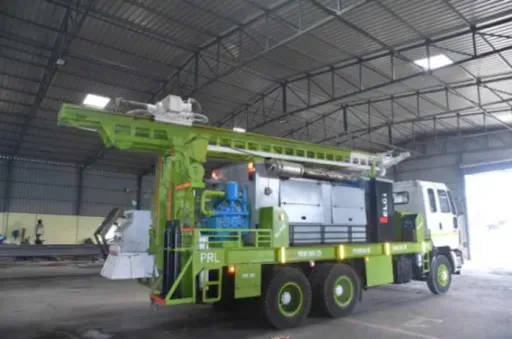
Selecting suitable drilling equipment requires careful consideration of project requirements, operating conditions, equipment capability, maintenance needs, and available budget. The right machine can support productivity while reducing unnecessary operating expenses.
For contractors evaluating a second hand borehole drilling machine for sale, assessing equipment condition is as important as comparing purchase prices. Used machinery can provide practical value when its drilling capacity, engine performance, operating hours, maintenance history, and component condition match project requirements. Buyers should also consider borehole depth, ground conditions, drilling method, mobility, fuel consumption, and spare-parts availability. A machine that appears affordable may cost more if major components require immediate replacement. A balanced assessment therefore helps buyers identify equipment that offers suitable performance without exceeding project budgets or creating avoidable maintenance challenges.
Equipment Factors Supporting Practical Project Decisions
Equipment selection should balance technical capability, operating requirements, maintenance considerations, and long-term value rather than focusing only on the initial purchase price.
1. Match Equipment With Project Requirements
The machine should suit the planned drilling depth, ground conditions, borehole diameter, and drilling method. Selecting equipment based on actual project requirements helps avoid underpowered machinery or unnecessary investment in excessive capacity. Understanding the expected workload also supports better productivity planning.
2. Assess Used Equipment Condition
Used machinery requires careful inspection before purchase. Buyers should examine the engine, hydraulic systems, drilling components, chassis, controls, and other critical parts. Reviewing maintenance records and previous operating history can provide additional insight into expected reliability and potential repair requirements.
3. Consider Operating and Maintenance Costs
Purchase price represents only part of equipment ownership costs. Fuel consumption, servicing, replacement parts, transportation, operator requirements, and repairs can influence the overall expense. Comparing these factors helps buyers determine whether a machine offers genuine value throughout its expected working life.
4. Review Mobility and Site Requirements
Drilling projects can involve different locations and terrain conditions. Equipment mobility therefore becomes an important consideration. Buyers should assess transportation requirements, machine dimensions, ground clearance, access limitations, and setup procedures. Equipment that can move efficiently between work areas may improve project productivity.
5. Check Parts and Technical Support
Availability of spare parts and technical assistance can influence equipment uptime. Before purchasing machinery, buyers should consider whether essential components are readily available and whether qualified technicians can support maintenance. Reliable support can reduce delays when repairs or servicing become necessary.
Choosing Reliable Equipment Partners
A suitable equipment provider can help buyers understand specifications, condition, application requirements, and available support before making a purchase.
When comparing drill suppliers, buyers can examine product range, equipment knowledge, documentation, after-sales assistance, spare-parts availability, and experience with different drilling applications. A supplier that understands project requirements can help customers evaluate machinery according to practical operating needs rather than focusing solely on price.
For used drilling equipment, transparency is particularly important. Buyers should request relevant specifications and inspect the machine where possible. Clear information about equipment condition, previous use, maintenance, and included components can make comparisons more straightforward.
Conclusion
Practical equipment selection requires a balance between performance, cost, reliability, and project requirements. Whether purchasing new or used machinery, buyers should evaluate technical specifications, equipment condition, operating expenses, maintenance needs, mobility, and support availability.
For businesses seeking suitable drilling equipment and experienced drill suppliers, Prime Rigs provides machinery and equipment solutions for different project requirements. Evaluating equipment based on drilling conditions, expected workload, budget, and long-term maintenance needs can help buyers choose practical machinery that supports productivity and dependable project performance.
