
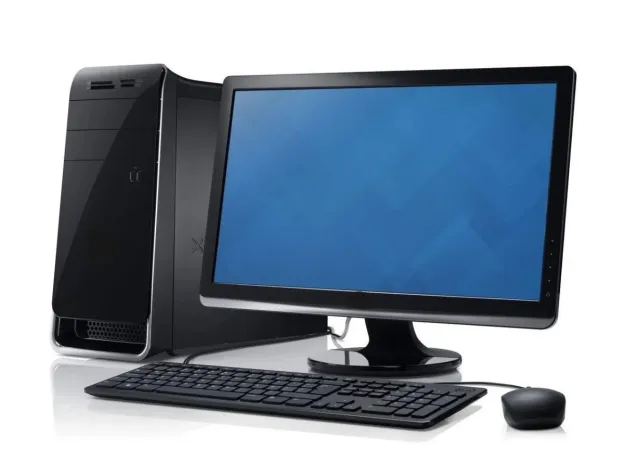
A major technology upgrade can transform the way a business operates. Newer computers can improve performance, support modern software, and make everyday work more efficient. But when dozens or even hundreds of machines are replaced at once, another challenge appears: what should happen to everything being removed? For businesses managing a top normal desktop computers in bulk, the disposal process becomes an important part of completing a large-scale technology transition.
Bulk Replacement Is More Than a Hardware Upgrade
Replacing a few office computers is relatively straightforward. Replacing an entire department, branch, or organisation is a very different task. A large technology refresh can involve hundreds of desktops, monitors, keyboards, power cables, storage devices, and other accessories that need to be identified and moved.
Without planning, the old equipment can quickly become a logistical problem. Machines may be stacked in temporary storage areas, left at individual workstations, or mixed together with equipment that is still required. A structured retirement process helps businesses keep the upgrade organised from the first replacement to the final collection.
Not Every Desktop Has the Same Condition
Large-scale equipment clearance rarely involves machines in identical condition. Some desktops may still function normally, while others may have damaged screens, missing accessories, faulty power supplies, or outdated internal components. Treating every machine as though it has exactly the same condition can make the assessment less accurate.
A basic classification system can help. Businesses can separate working equipment from damaged devices and identify machines that are incomplete or particularly old. This makes it easier to understand the overall inventory and determine the most appropriate route for each group of equipment.
Why Bulk Equipment Needs an Organised Inventory
When a company is dealing with a large quantity of desktops, memory becomes an unreliable inventory system. Employees may know that “a lot of computers” are being removed, but that description does not provide enough information for proper planning. Recording the number and type of devices creates a much clearer picture.
The inventory can include desktop models, approximate age, condition, monitor quantities, accessories, and storage devices. Asset tags or internal identification numbers can also be recorded where required. This documentation can make collection, internal approvals, and equipment tracking considerably easier.
Data Security Becomes More Important at Scale
A single old computer can contain sensitive information. A hundred old computers can represent a much larger security concern. Business desktops may contain customer records, employee information, financial documents, internal communications, passwords, or locally stored work files.
Before equipment is transferred, organisations should follow their established data-erasure procedures. Storage devices need particular attention because deleting visible files does not necessarily guarantee that information has been securely removed. A large equipment retirement project should therefore include data protection as one of its earliest steps rather than treating it as an afterthought.
What Happens to Computers That Still Work?
A computer does not necessarily become unusable simply because a company has replaced it. Organisations often upgrade because they need newer specifications, stronger security features, better compatibility, or improved performance. The older machines may still function adequately for less demanding environments.
This creates an opportunity to distinguish between equipment that has become obsolete for the original business and equipment that has genuinely reached the end of its useful life. Working desktops may potentially be reused or refurbished, while unsuitable equipment can be directed toward appropriate recycling processes.
When Large Quantities Change the Disposal Process
The scale of an equipment clearance can influence how the entire project is managed. Moving five desktops is one task; moving several hundred requires coordination, storage planning, transportation, documentation, and careful sorting. Businesses need to know what they have before determining how it should leave the premises.
This is where working normal desktop buyer in Dubai services can be relevant to organisations handling substantial quantities of retired computers. Instead of allowing old systems to remain in storage, businesses can arrange for equipment to be assessed and handled according to its condition and potential.
The Accessories Matter Too
Desktop replacement projects often focus on the computers themselves, but the surrounding equipment can represent a significant portion of the clearance. Monitors, keyboards, mice, cables, adapters, power supplies, and other accessories may remain after the new systems are installed.
These items should be included in the inventory rather than treated as an afterthought. Some may be reusable, some may be suitable for recovery, and others may have reached the end of their useful life. Keeping everything organised makes the overall disposal process more efficient and prevents smaller electronic items from being overlooked.
Avoid Letting Storage Become the Final Destination
One of the easiest ways for obsolete technology to become a long-term problem is to put it into storage “temporarily.” Without a clear next step, temporary storage can become permanent. Months later, nobody may remember which machines are still functional or why they were retained.
A defined retirement schedule can prevent this. Once replacement equipment is operational and required data has been secured, the organisation can move directly toward assessment and disposal. This reduces unnecessary clutter and frees storage space for equipment that the business actually needs.
Responsible Recycling Still Matters in Bulk Clearances
Some desktops will inevitably be too old or damaged to reuse. These machines should be directed through appropriate electronic recycling channels rather than being treated as ordinary waste. Computers contain various materials and components that can be recovered when processed correctly.
Bulk recycling also has the advantage of bringing many devices into one organised process. Instead of individual machines being discarded separately, the equipment can be collected, sorted, and processed systematically. This makes responsible disposal easier to manage during large technology transitions.
Making Future Upgrades Easier
A well-managed equipment retirement can provide lessons for the next technology refresh. Businesses can record how many devices were replaced, which equipment remained functional, how much storage was required, and which disposal steps created delays. This information can improve future planning.
Over time, organisations can develop a repeatable technology lifecycle process. New equipment arrives, old assets are identified, data is secured, equipment is assessed, and retired devices move toward reuse or recycling. What begins as a one-time clearance can become part of a more mature approach to IT asset management.
Conclusion
Replacing a large number of office computers is not simply about installing new machines. It also requires businesses to think carefully about the equipment being removed, the information stored on it, the accessories left behind, and the appropriate route for each retired device. For organisations managing bulk desktop clearances, eWaste IT Recycling offers a practical option for handling unwanted computers while supporting a more organised and responsible approach to electronic waste.
