
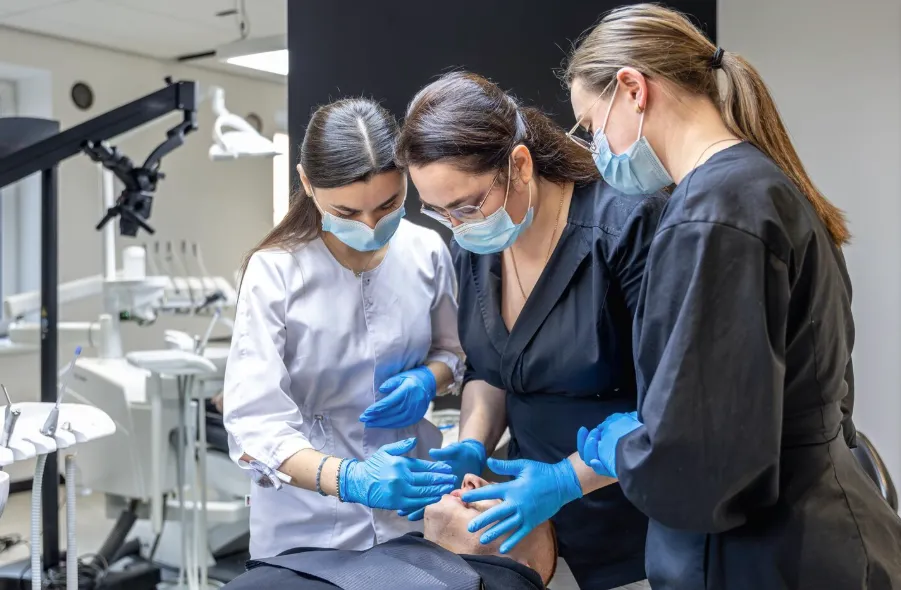
Picking a career path in dental health can feel like standing at a fork in the road with five signs pointing in different directions. Philadelphia students face plenty of choices, but not all of them fit real life, real schedules, or real budgets. A solid Dental Assistant Program in Philadelphia stands out when it blends hands-on clinical time with classroom basics that actually stick. That mix matters more than shiny brochures ever will.
Why Location Still Matters
Commuting eats time nobody has extra of, especially with kids, jobs, or two buses to catch. Students often pick schools close to home first, then check the curriculum after. That order works fine as long as the nearby option teaches real skills, not just theory dressed up in fancy slides. Philadelphia has a spread of neighborhoods with training centers tucked into them, so proximity rarely has to compete with quality. Convenience and substance can coexist, oddly enough.
Instructor Experience Shapes Outcomes
A teacher who spent fifteen years in a dental office brings stories no textbook holds. Those small anecdotes, the awkward moment with a nervous patient, the trick for calming someone mid-procedure, stick in memory longer than diagrams do. Philadelphia programs staffed by working or recently retired dental professionals tend to produce graduates who sound less rehearsed and more grounded. That grounded quality shows up later, in job interviews and on the clinic floor both.
Job Support After Graduation
Finishing coursework is only half the finish line, honestly. The other half involves actually landing a paying position, which some schools help with heavily and others barely mention. Strong local programs keep relationships with area dental offices, feeding graduates directly into interviews rather than leaving them to cold apply everywhere. That network, built over years, often means the difference between three months of searching and three weeks.
Class Size and Personal Attention
Nobody learns much sitting in the back of a room with sixty other people, all of them staring blankly at a projector screen. Smaller cohorts mean instructors actually notice when someone struggles with a technique, catching mistakes before they turn into bad habits. Philadelphia schools that cap enrollment tend to graduate students who feel steadier walking into their first real dental office. That steadiness isn’t luck, it’s practice repeated under watchful eyes, over and over.
Flexible Scheduling for Working Adults
Plenty of students juggling this career shift already hold jobs, sometimes two. Evening classes, weekend labs, and part-time tracks matter just as much as curriculum content, maybe more for some folks. A program demanding rigid nine-to-five attendance simply doesn’t work for a single parent or someone paying rent solo. Schools offering staggered start dates and flexible blocks end up serving a wider, often more determined, group of future dental assistants.
Conclusion
Choosing wisely means looking past glossy websites and asking harder questions about hours, cost, instructors, and placement. Philadelphia students who dig a little deeper usually land somewhere that fits their pace and their wallet. For anyone weighing options seriously, aspiredentalassistantacademy.com offers a starting point worth exploring before locking in a decision that shapes the next several years of work life.
