
For growing startups, employee stock options can be an effective way to attract talent and align employees with long-term business growth. However, determining the right exercise price requires a reliable understanding of what the company’s common stock is worth. 409a valuations provide a structured way to establish fair market value for private-company shares, giving founders a documented basis for setting stock option strike prices. By considering factors such as financial performance, market conditions, capital structure, and company growth, a valuation can support informed and well-documented equity decisions.
What Is a Stock Option Strike Price?
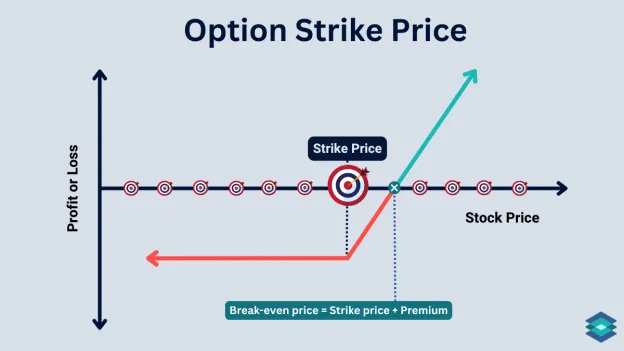
A stock option gives an employee the right to purchase company shares at a predetermined price, known as the exercise or strike price. For a private company, shares are not publicly traded, so there is no continuously available market price for common stock.
A startup needs a reasonable basis for determining what its common stock is worth on a particular date. A valuation report provides the fair market value of common stock and can serve as a basis for the exercise price.
Why Fair Market Value Matters
When options are issued, the exercise price should generally reflect the fair market value of the underlying common stock on the grant date. A documented valuation gives a startup a defensible reference point instead of an arbitrary figure.
This distinction matters because preferred shares may have different rights and preferences from common shares. Investors may hold preferred stock with liquidation preferences or other economic rights, while employees commonly receive rights connected to common stock. Therefore, a startup cannot simply use the price paid by investors in a funding round as the strike price for employee options.
How the Valuation Supports the Strike Price
The valuation process considers the business, financial position, industry, market conditions, capitalization structure, and development. It typically involves reviewing company documents, financial statements, projections, capitalization information, and other relevant business details.
Valuation professionals then apply appropriate approaches to estimate the fair market value of common stock. These approaches may include the Option Pricing Method, Probability Weighted Expected Return Method, and Hybrid Method, depending on the company’s circumstances and capital structure. Once fair market value is established, the resulting figure provides a basis for determining an appropriate option strike price.
Why Startups Should Update Their Valuation
A startup’s value can change after funding, product development, revenue growth, business changes, or new milestones. An older valuation may therefore no longer represent the company’s current circumstances.
Valuations should generally be updated annually or when significant business changes occur. These events may include new funding, leadership changes, major operational developments, initial revenue or profitability, first-time option issuance, or a valuation becoming more than one year old.
Keeping valuation information current helps ensure that new stock option grants are based on a relevant and well-supported assessment of the company’s common stock value.
How Capital Structure Affects Option Pricing
Startup capital structures can become complicated as companies complete multiple financing rounds. Different share classes may carry different rights and claims on company value. Convertible instruments and option pools can also affect allocation.
This is why a professional valuation requires more than a simple calculation. Its team also works with complex capital structures and option pricing models. The valuation documents the analysis supporting the value assigned to common stock.
Supporting Compliance and Documentation
A properly prepared valuation can help a startup maintain documentation around its equity compensation program. A detailed valuation report can be structured to follow applicable AICPA guidelines and support requirements associated with the IRS Safe Harbor standard.
Section 409A violations can create tax consequences, including income inclusion, a 20% additional tax, and increased interest on certain deferred compensation. Founders should therefore treat valuation as an ongoing part of equity administration. The valuation date, company information, capitalization details, financial data, and supporting analysis can contribute to a clearer record of how an option price was established.
When Specialized Valuation Services Can Help
Different startups face different valuation circumstances. A software company preparing for funding may have different considerations from a healthcare, manufacturing, financial services, or energy business. Factors such as the company’s industry, business model, financial performance, growth prospects, market conditions, and capital structure can influence the valuation process.
For example, a company seeking a 409A valuation for clean energy companies may need its business model, market conditions, financial projections, development stage, and industry characteristics considered within the broader valuation analysis. The appropriate approach depends on the company’s specific facts, financial position, and circumstances.
What Founders Should Prepare
Founders should prepare key documents such as the capitalization table, options table, latest articles, historical financial statements, projected financial statements, corporate deck, and responses to a valuation questionnaire.
These materials should remain current and consistent throughout the valuation process. Changes in ownership, financing, option grants, financial projections, or business plans should be reflected in the information provided. Clear and complete documentation helps valuation professionals understand the company more efficiently and reduces unnecessary back-and-forth during the review process.
The Broader Value of a Well-Documented Process
A valuation is more than a compliance document. For a growing startup, it provides a structured snapshot of the company at a specific point in time. A detailed report can document the valuation process and reasoning behind the estimated fair market value. The process may include consultation, engagement, document collection, financial review, company questionnaires, valuation analysis, draft preparation, client review, and final report issuance.
This structured approach helps consider relevant business, financial, and capitalization information. Professional startup valuation services support can assist founders with option grants, financing events, audits, and important corporate milestones.
Conclusion
For startups, establishing a stock option strike price requires a reliable basis for determining the fair market value of common stock. 409a valuations provide this framework by considering financial information, market conditions, capital structure, and valuation methodologies. Keeping valuations current after significant business events helps maintain accurate equity records, support compliance, and provide greater clarity around employee stock option pricing.
For growing businesses, accurate valuation support can simplify equity planning and compliance. Sharp 409A provides specialized valuation services for startups and private companies, including detailed, audit-ready 409A reports, financial modeling, option pricing analysis, and support for complex capital structures. Its experienced valuation professionals review company and financial information, apply appropriate methodologies, and provide support through audits or diligence. The firm also offers business valuation solutions tailored to different industries and growth stages.
